
Sleep apnea appliances, and wherea dentist fits in
If you have been diagnosed with obstructive sleep apnea and you cannot tolerate a CPAP machine, an oral appliance is worth asking about. It is a device you wear at night that holds your lower jaw forward, which keeps the airway open while you sleep.
Online booking is for exams and cleanings only. For anything else, call 416-469-2454.
Who decides what
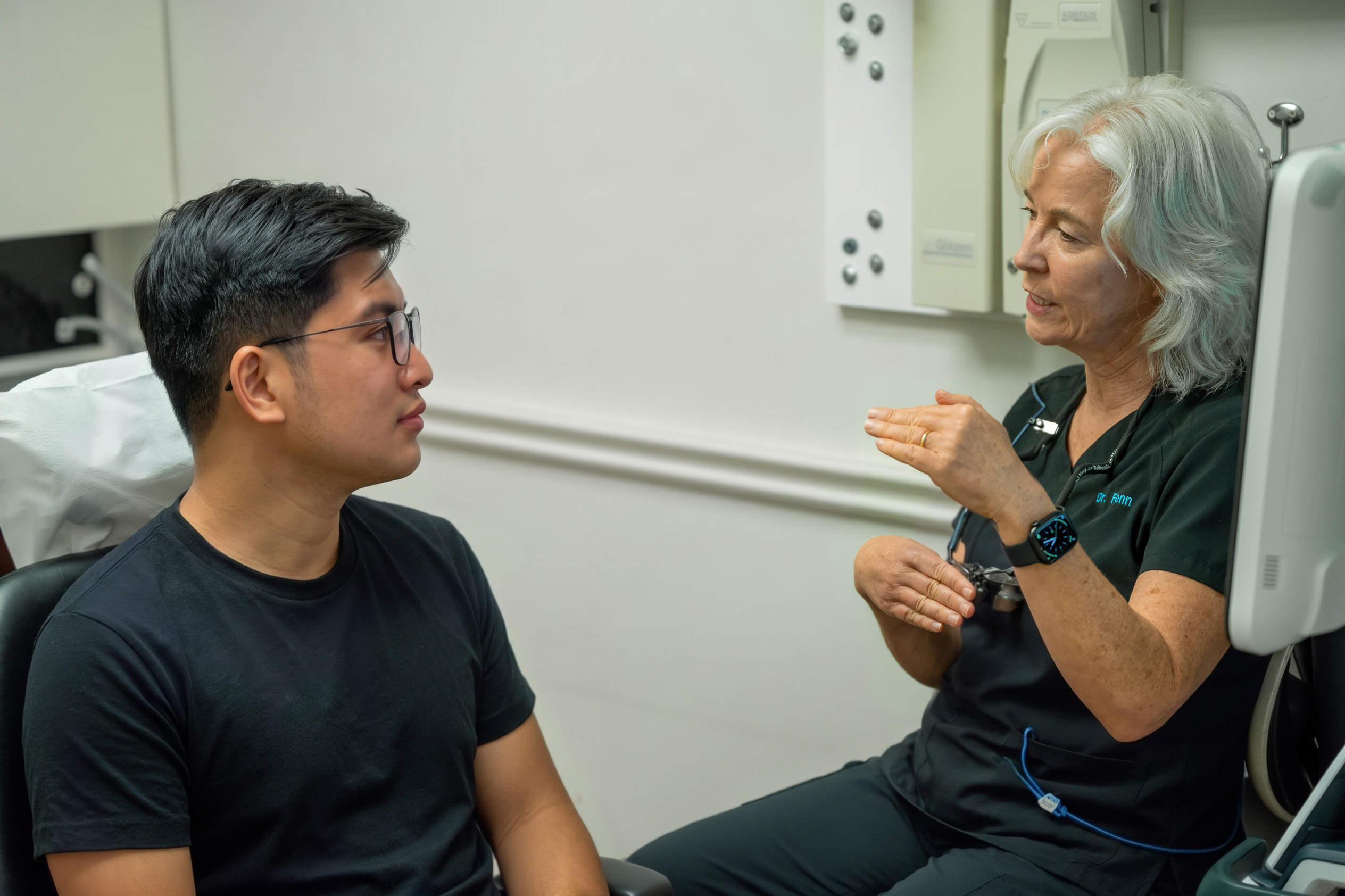
A sleep study tells you whether you have sleep apnea, and how severe it is. That comes from a medical physician and a sleep clinic. The medical doctor writes a prescription for the dentist to assess the patient for an oral sleep apnea appliance.
Dr. Fenn's part comes after that. She looks at your teeth, your jaw and your bite. She takes a scan and reviews your sleep study. Then she can make the sleep apnea appliance and fits it to your mouth.
We will not tell you that you have sleep apnea, and a sleep clinic will not tell you whether your teeth can carry an appliance.
What the appliance does
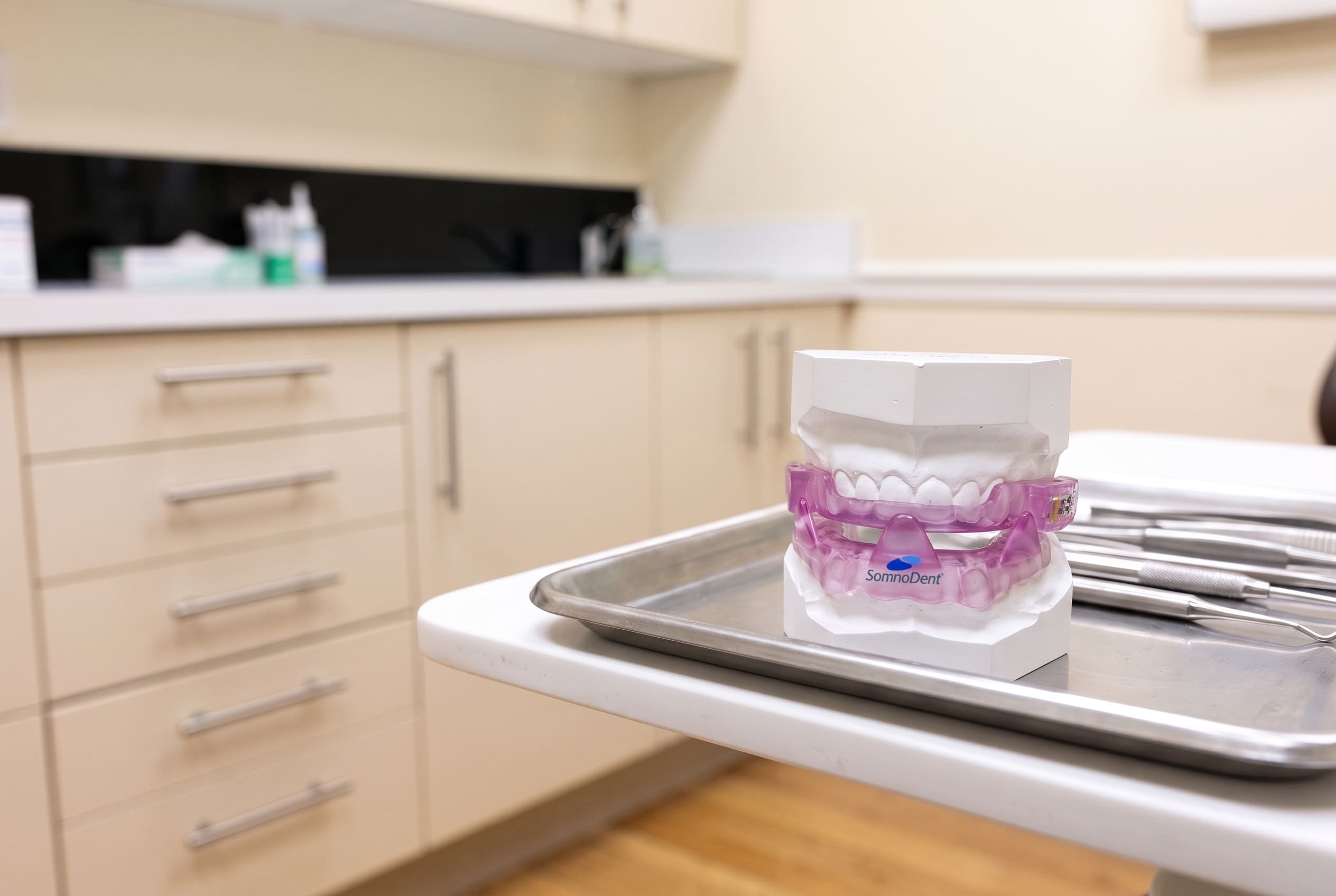
It sits over your teeth, top and bottom, and holds the lower jaw slightly forward of where it naturally rests. That forward position opens up the space at the back of the throat that collapses when the muscles relax in sleep.
It comes out in the morning. It travels in a case. There is no machine, no mask and no power.
Who it tends to suit
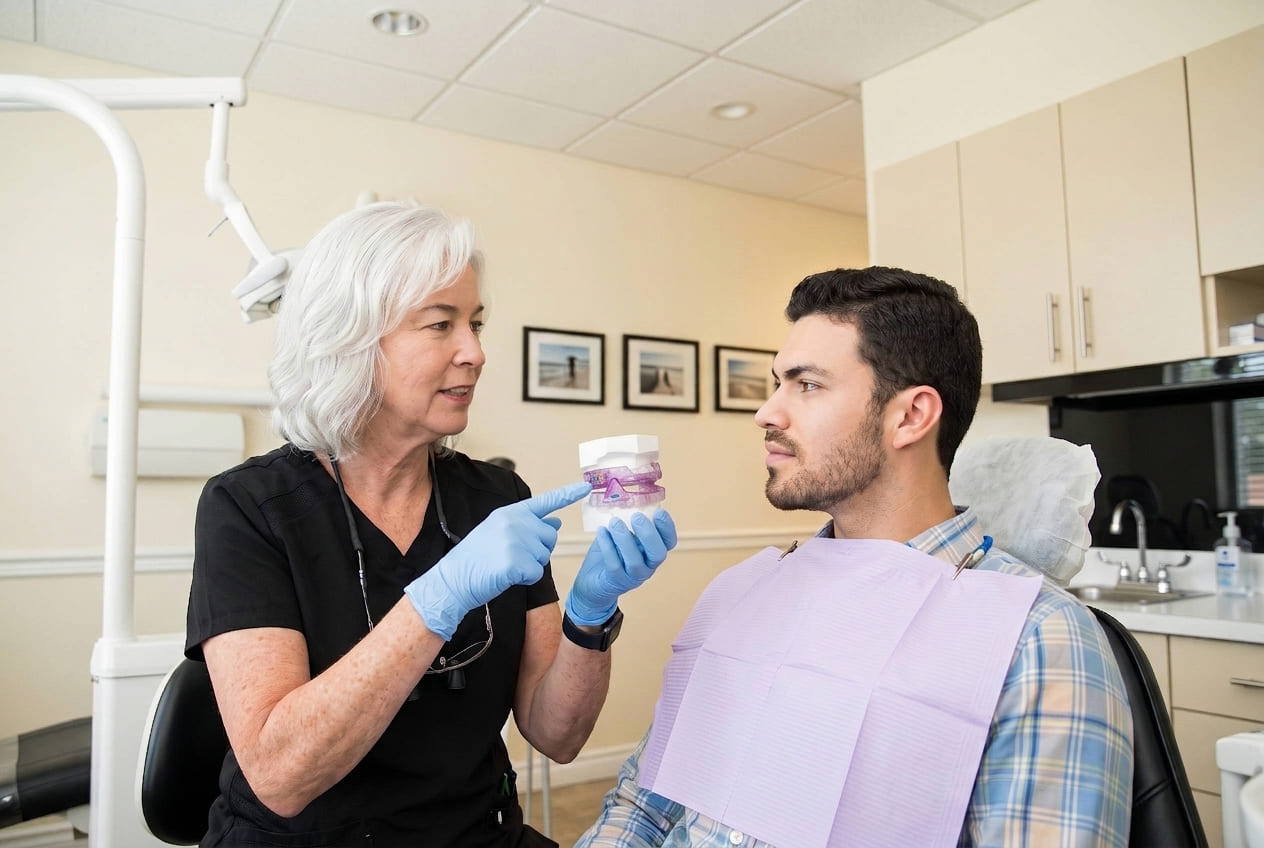
Oral appliances are generally used for mild to moderate obstructive sleep apnea. They also are ideal for people who have severe apnea and cannot tolerate CPAP, and for people who have had surgery that did not solve it. In those cases it is a conversation between you, your physician and Dr. Fenn rather than a decision she makes on her own.
Whether your teeth and jaw can carry an appliance is a separate matter, and that is what she assesses.
If you snore and have never been checked
Snoring is not the same thing as sleep apnea, and plenty of people snore without having it. If you snore loudly, wake up tired after a full night, or someone has told you that you stop breathing, that is worth raising with your physician. Our sleep questionnaire is a reasonable place to start, and you can bring it to that conversation.
What it costs
An oral appliance is an alternative to a CPAP machine, so it is billed through private medical insurance, on the same schedule as a CPAP machine. Many plans allow a replacement every two years. Dental insurance and CDCP do not cover it. If your medical plan does not cover it, you pay for it directly.
Before we can start, we need two things from your doctor: the results of your sleep study, and a prescription for the appliance.
Frequently Asked Questions
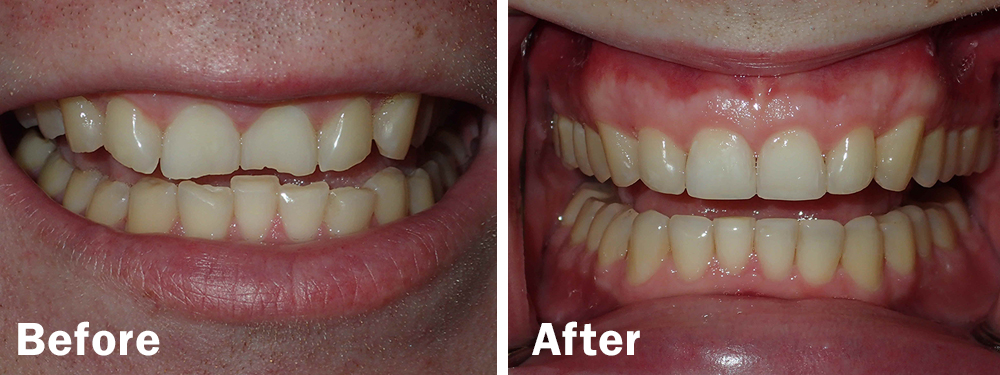
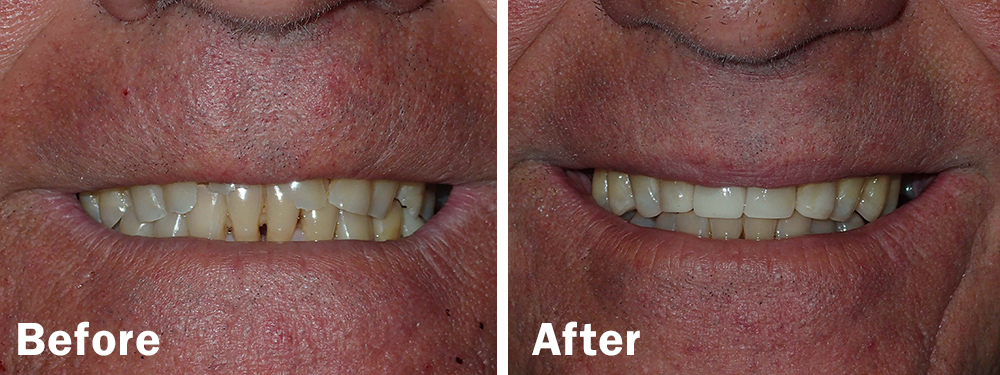
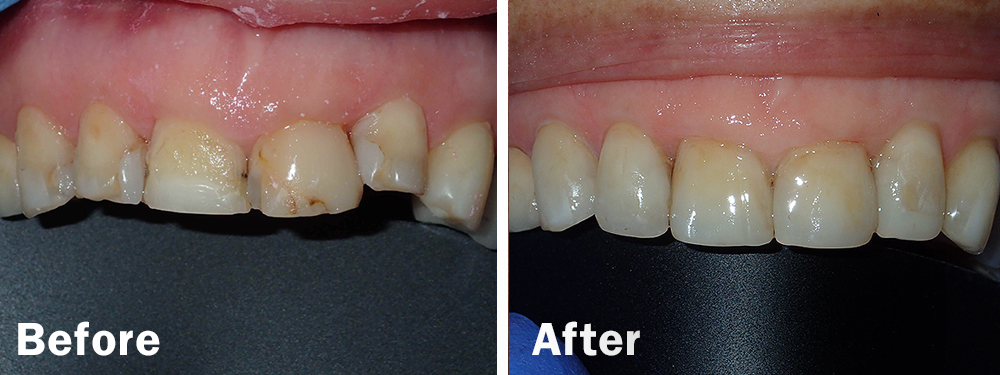
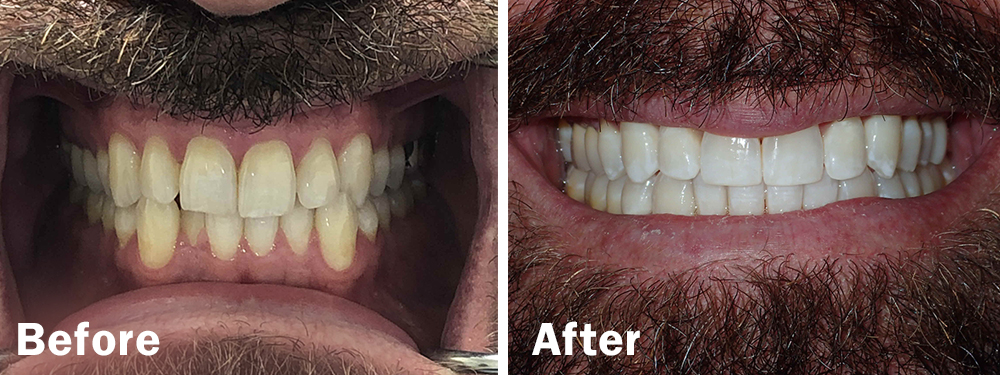
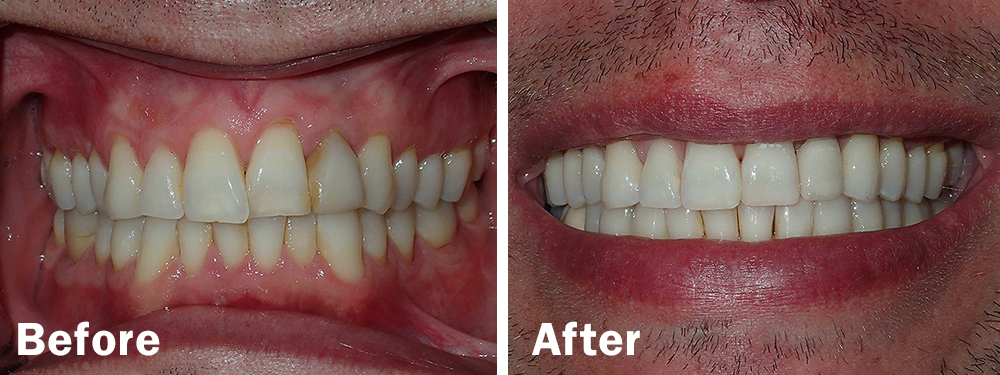
This is my work. This is what it looks like.
These are patients treated at this practice. Every mouth is different, and what is possible in yours depends on what we find when we look.
Invisalign/Orthodontics
Out of 5 across 131 Google reviews. Read them on Google.
Have a question? Ask Dr. Fenn.
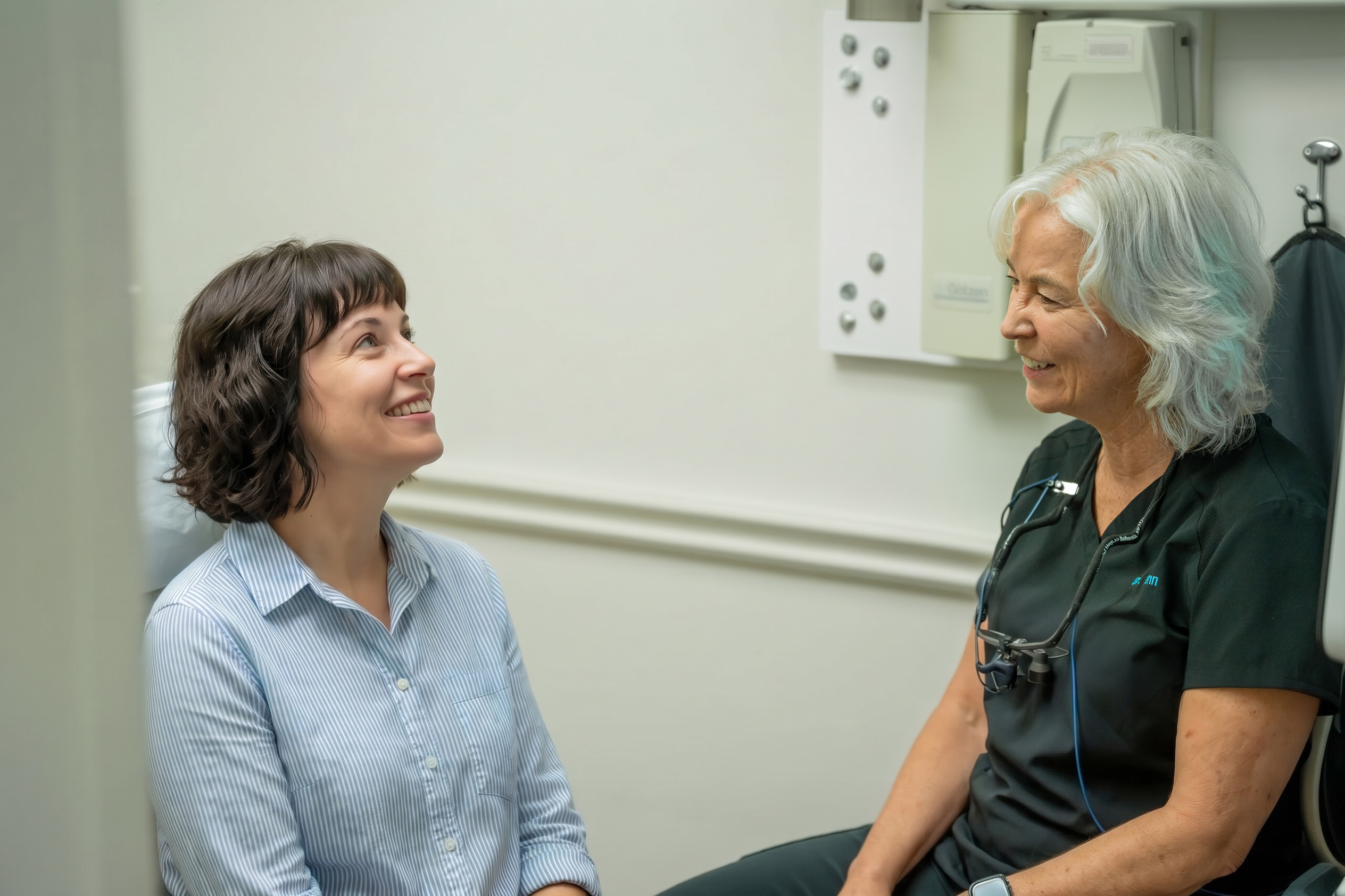
Email us a photo of what is bothering you and tell us what is going on. Dr. Fenn will look and tell you what she thinks it might be and what to do next. You do not have to be a patient here to ask.
A photo will not always be enough. If she needs to see it properly, she will say so, and the next step is a full examination with x-rays. If you are in pain, call us instead. That is not something to wait on an email for.