How to choose a dentist, from a dentist
October 20, 2026
Choosing a dentist usually happens in a hurry. You have moved, something hurts, or you have finally had enough of the one you have. It deserves more thought than a map search, because if it goes well you will be seeing the same person for years. These are the things worth weighing, from someone who sits on the other side of the chair.
Start with what you can keep up with
A dentist you never manage to get to is no use to you. Look at the hours before you look at the address. If a practice is only open while you are at work, checkups slip, and a small problem has longer to become a bigger one.
For a lot of people an early morning or an evening slot matters more than ten fewer minutes on the subway. Think about how you will actually get there, whether that is transit, driving and parking, or walking with a child in tow, and whether the hours line up with the week you really have.
Decide whether seeing the same dentist matters to you
Some practices have several dentists and you see whoever is free. Others have one. Both can work. The difference shows up over time.
A dentist who has seen your mouth before knows what has changed. They remember why a particular tooth was crowned, what your gums looked like three years ago, and that you hate the cold air on one side. That history is hard to hand over in a chart note.
Judge the first appointment by what it covers
Ask how long the first appointment is, and then ask what happens in it. The second answer tells you what the first one is worth.
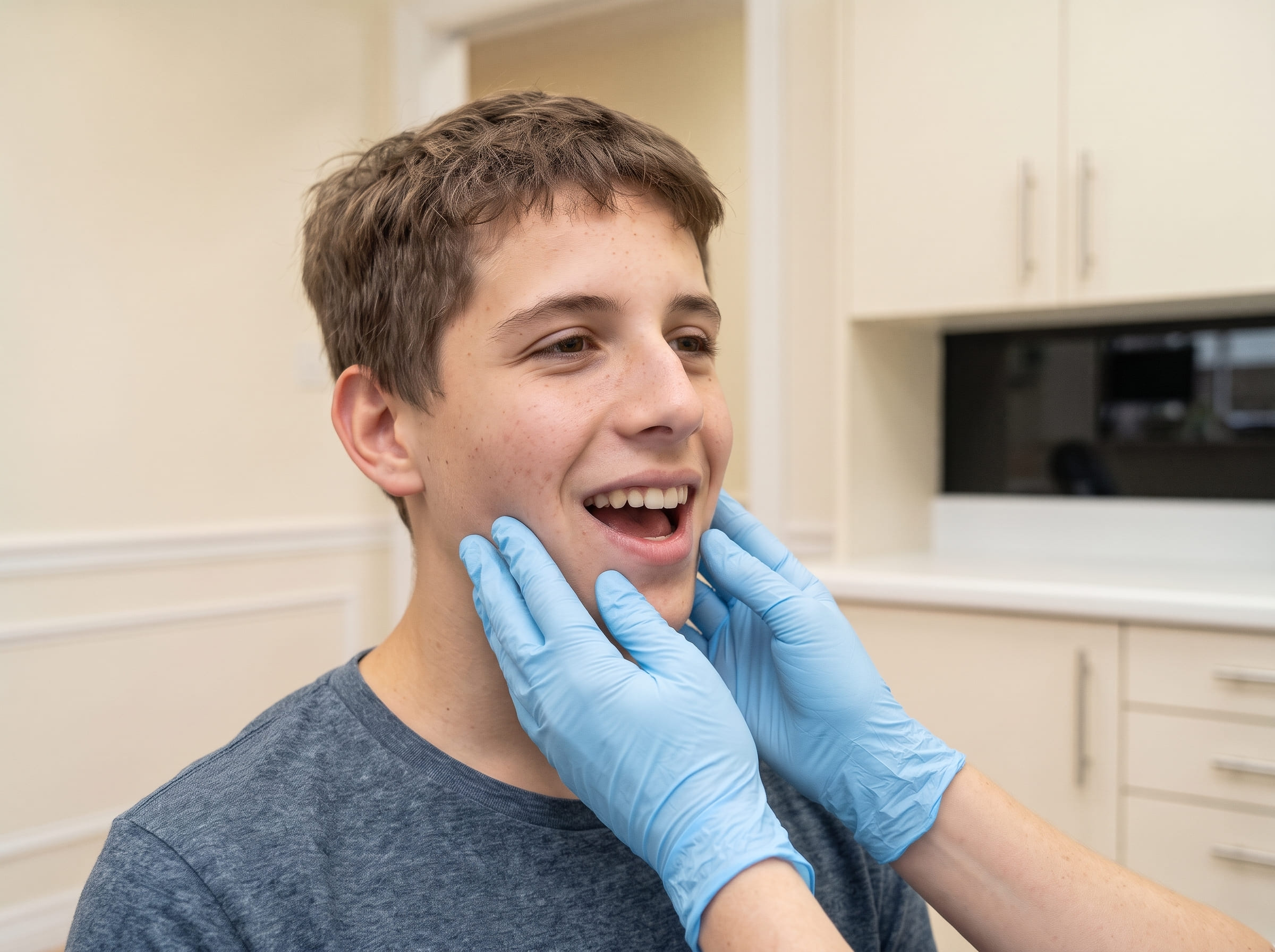
A complete first examination looks at your teeth, your gums, the bone holding your teeth and your jaw joints. It checks how your bite comes together and looks for signs of grinding. It includes a check of the soft tissues of your mouth for anything unusual, including signs of oral cancer. It includes radiographs if yours are out of date, because decay between teeth, bone loss and infection cannot be seen in a mirror. And it includes a proper look at your medical history and the medications you take.
That takes time. Expect it to.
You should leave understanding your own mouth
By the end of a first visit you should know what is going on, in words that make sense to you. You should have seen the radiographs or photos that show it. And you should know which things need attention soon and which can wait.
A good plan gives you options, including the simpler and less costly ones, and explains what happens if you choose each. It leaves the decision with you. You should never feel you have to agree to treatment on the spot.
Ask about cost before you sit down
In Ontario, many dentists set their fees by the Ontario Dental Association fee guide. Insurance plans, and the Canadian Dental Care Plan, pay against their own schedules, which are often lower. The difference is your out of pocket expense.
That is normal in Ontario. Ask whether the office bills your insurance directly, whether it accepts CDCP and how it handles the difference, and whether you will get a breakdown of the out of pocket expense of any treatment before it starts.
Find out what happens when you need more
General dentists handle a wide range of work. Some cases are better treated by a specialist: an endodontist for a difficult root canal, a periodontist for advanced gum disease, an orthodontist or an oral surgeon.
Ask what is done in the office and what gets referred. A dentist who knows where their own work should stop, and tells you why, is looking after your mouth.
Moving your records is easier than you think
You do not have to start from nothing. Your radiographs and records can usually be sent from your old dentist. You sign a release, and the new office requests them. Whether they can be reused depends on how old they are and how clear they are.
Mention it when you book, so the request goes out before your first visit.
Being understood
If English is not your first language, ask whether anyone in the office speaks yours. Being able to explain a worry properly, and understand the answer, matters more in a dental chair than in most places.
The same goes for anyone who finds the dentist stressful. Say so when you book. A good office would rather know.
A second opinion is normal
If a treatment plan surprises you, ask to see the radiographs and have it explained again. If you are still unsure, get a second opinion. Dentists expect it, and a good one will not mind.
Looking for a dentist in the east end? Dr. Fenn is taking new patients at 1411 Danforth Avenue, between Greenwood and Coxwell stations. Your first appointment is an 80 minute examination.
FAQ: Addressing Common Concerns
Do I need a referral to see a new dentist?
No. In Ontario you can book with a general dentist directly.
Can my X-rays be sent from my old dentist?
Usually. You sign a release form, the new office requests them, and the dentist decides from their age and quality whether they need updating.
Is it rude to ask for a second opinion?
No. It is a normal part of deciding on treatment.
How long should a first dental appointment take?
Long enough to cover your teeth, gums, bone, jaw and soft tissues, plus radiographs and your medical history. At our office it is 80 minutes for adults.